
Featured categories
Latest Posts
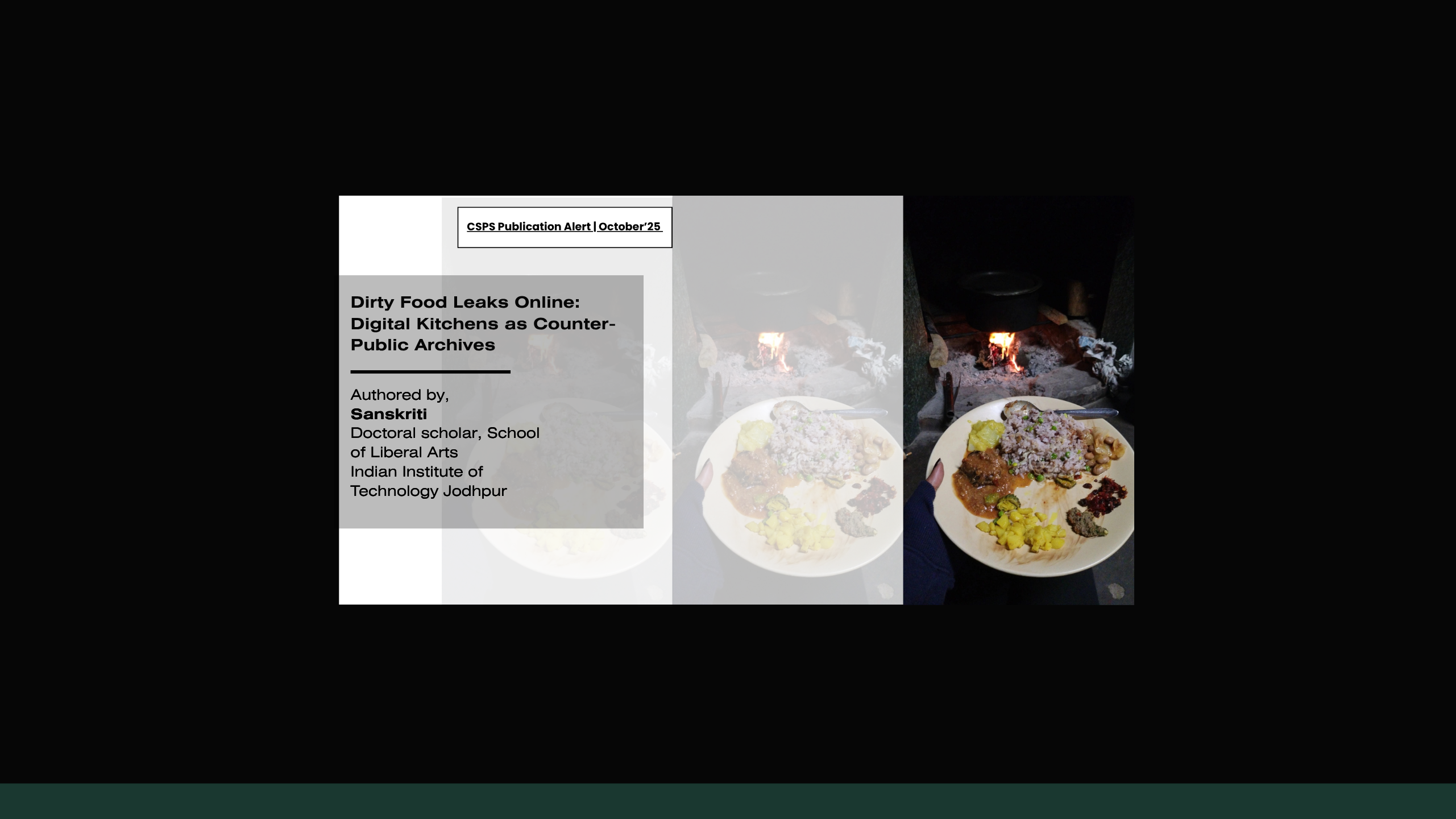
Dirty Food Leaks Online: Digital Kitchens as Counter-Public Archives | Sanskriti
Abstract: This essay examines how Dalit, Bahujan, and Indigenous food practices migrate online to form what I term digital kitchens – decentralized counter-public spaces where tastes once marked as “dirty” re-enter circulation. Drawing on the works of visual artist...
About Us

Centre for Studies of Plural Societies (CSPS) is founded under the aegis of Humanity International Foundation (HIF)
Read More
Get Social
Pandemic Studeis

Caste’s Grip in 2025: Why Reservations Are Still India’s Fight for Justice | Dr. Raman Kumar
Introduction In June 2025, a 15-year-old Dalit student in Mainpuri, UP, was beaten by his...
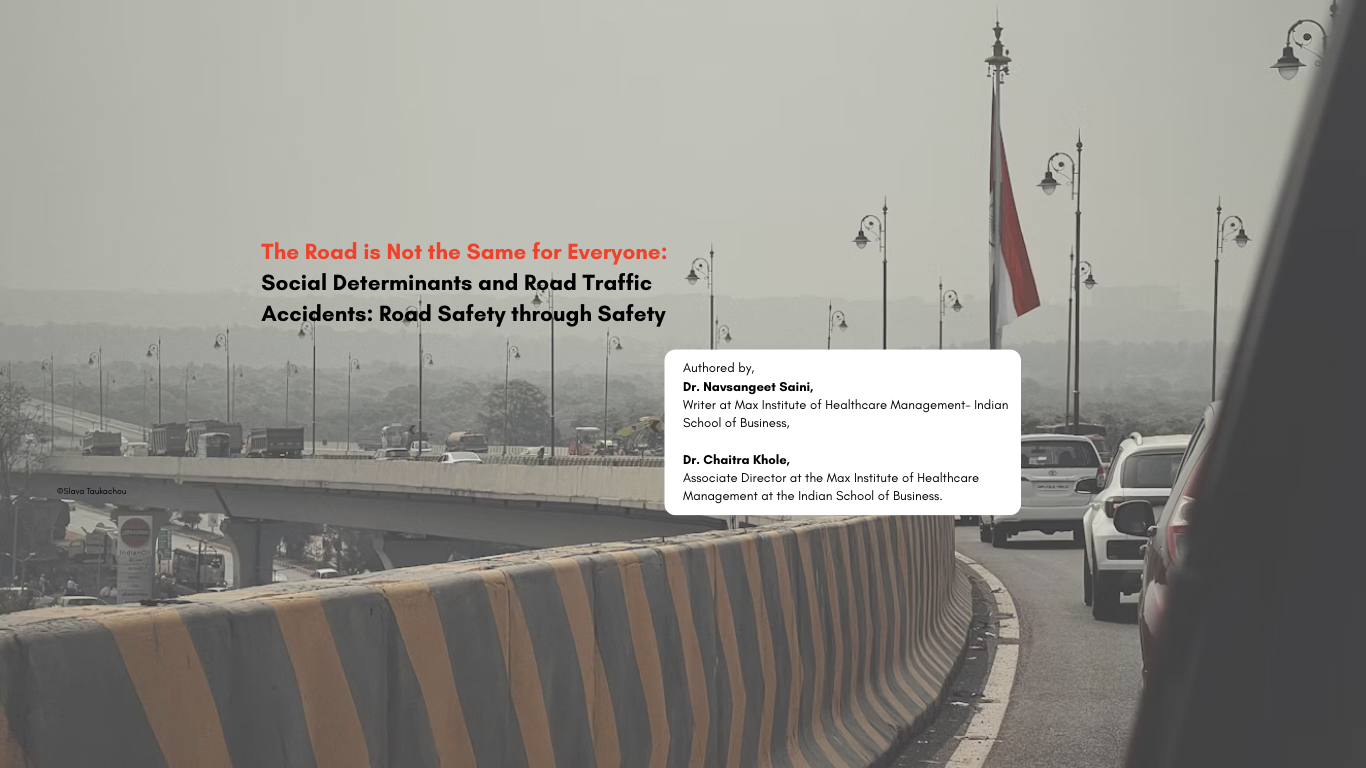
The Road is Not the Same for Everyone | Navsangeet Saini | Chaitra Khole
Social Determinants and Road Traffic Accidents: Road Safety through a Safe Systems Approach...

Reproductive Governance and the Paradox of Pluralism: Policy Exclusions in India’s Family Planning Regime | Shikha Vasishta
Keywords: Reproductive Governance, Family Planning Policy, Gender and Agency, Policy Exclusions,...
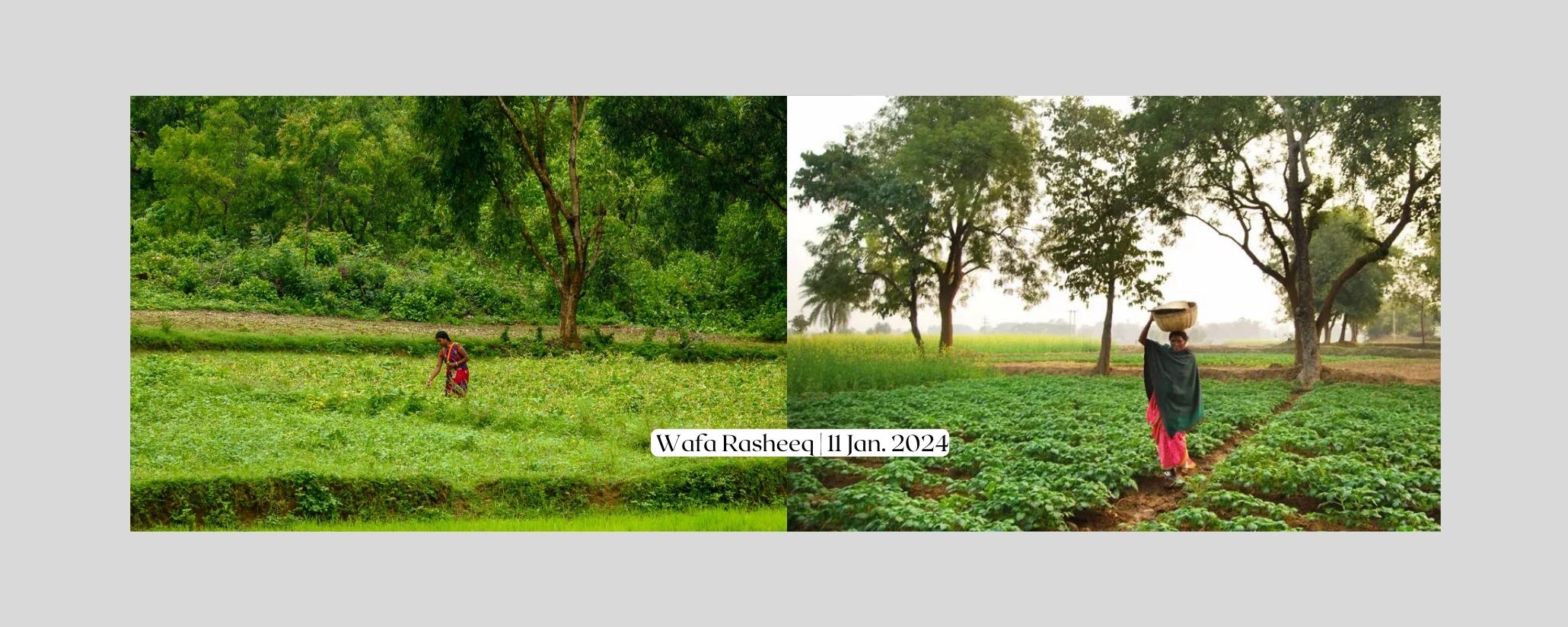
Indigeneity and Environmental Security: A Gendered Analysis
Indigenous women, despite being pivotal to the sustainability and resilience of their communities, frequently find themselves marginalized and obscured in mainstream discussions on environmental issues. Their unique experiences, intricately woven into the fabric of their cultural and environmental contexts, often go unnoticed. By highlighting the unique experiences of indigenous women and acknowledging their pivotal role in shaping the narrative of indigeneity, environment, and security, this essay aims to recognize the intricate relationship between these characteristics. It delves into specific examples drawn from diverse geographical regions and unique socio-political environment of the Global South to encapsulate a significant set of challenges faced by indigenous women, offering insights into the diverse ways in which they navigate and respond to environmental transformations.

Determining Moral Worth and Self-identity in the Age of social media: A Critical Perspective
Social Media is seen by many as one, a source of liberation and two, a tool that dictates certain behavioural traits. It also gives some semblance of ‘recognition’ which is elaborated by Hegelian Marxists like Charles Taylor and Axel Honneth. Honneth’s recognition framework provides a useful lens for examining the dynamics of determining moral worth and self-identity in the age of social media. This framework emphasises the role of ‘mutuality and reciprocity’ which makes self-realisation inescapably linked to others. These sites facilitate ‘intersubjective recognition’ providing a democratised space to build on one’s ‘self-esteem.’ This article will analyse how Honneth’s framework of ‘recognition’ helps one explore the influence of these social media platforms in the construction of moral worth and self-identity. Even though these platforms could be the cause of moral injury because of hate comments, hate speech, body shaming, and bullying all of which ‘add insult to injury’there is a great affinity towards being a part of the platforms. Social interaction on these platforms does not always adhere to ‘desirable features’ from the ‘moral point of view’.

Racialised Desire and Hyper Sexualisation of Asian American Women
The Portrayal of Asian Americans in media and popular culture shows discernible differences in how Asin bodies manifest sexual characteristics, either in excessive or deficient quantities. The portrayal of Asian women’s physical forms, particularly in visual mediums like film, often exhibits a hyper-sexualised depiction that underscores their vulnerability to white masculinity and portrays them as either devoid of sexual agency or primarily associated with militaristic endeavours. Asian American women have historically been typecast into several stereotypical roles, including China Doll, Geisha Girl, and Dragon Lady.
Special Report
Reproductive Governance and the Paradox of Pluralism: Policy Exclusions in India’s Family Planning Regime | Shikha Vasishta
Keywords: Reproductive Governance, Family Planning Policy, Gender and Agency, Policy Exclusions, Pluralism India's family planning model, widely hailed as a flagship experience of state-led reproductive regulation, is a battleground where ideals of pluralism and...