
Featured categories
Latest Posts
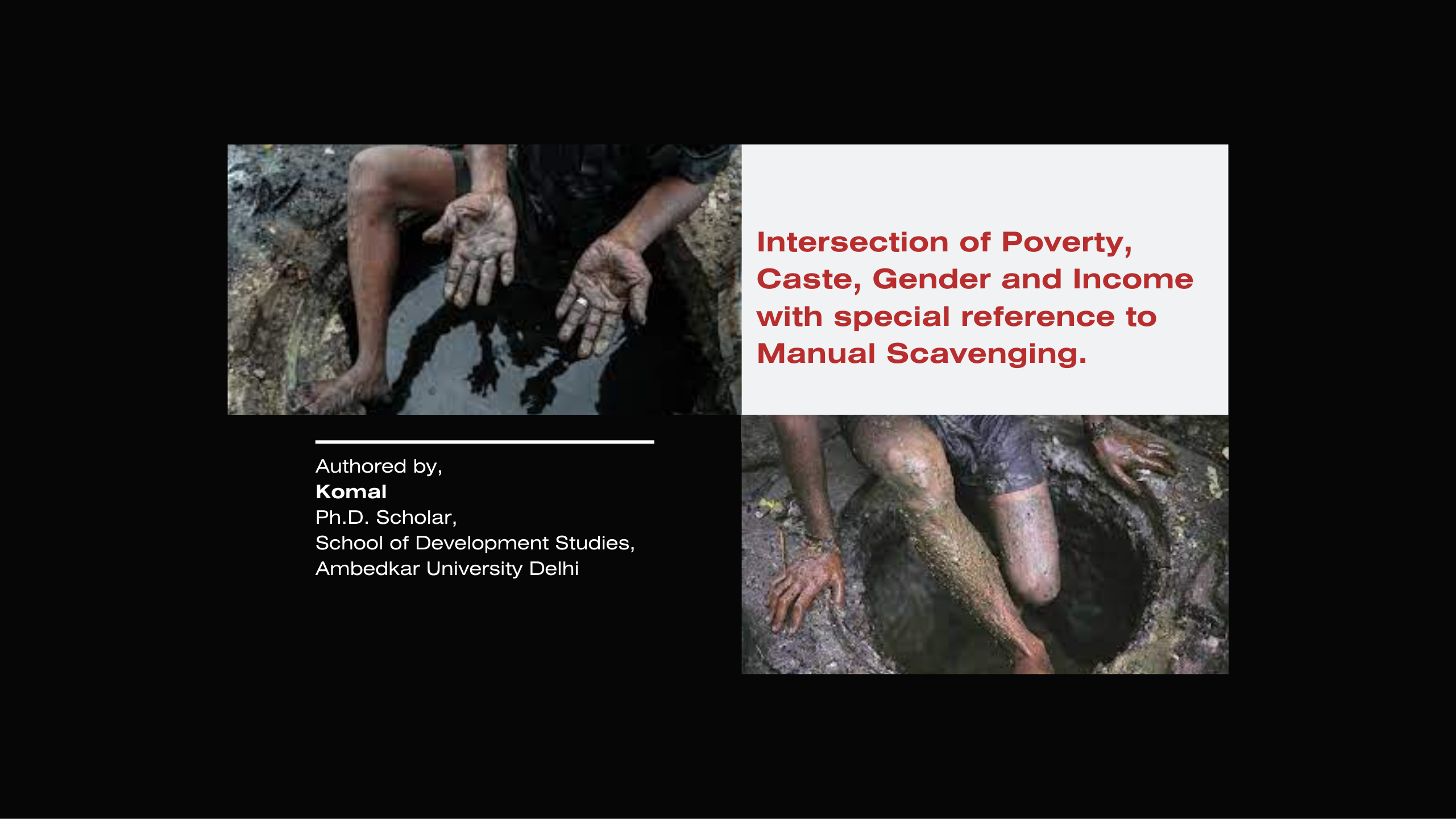
Intersection of Poverty, Caste ,Gender, and Income with special reference to Manual Scavenging | Komal
Keywords – Manual Scavenging, income, poverty, social location. Introduction In this paper, I will try to link it with how the problem of income leads to the people belonging to the Manual Scavenging community to remain stuck in the traditional occupation. Despite...
About Us

Centre for Studies of Plural Societies (CSPS) is founded under the aegis of Humanity International Foundation (HIF)
Read More
Get Social
Pandemic Studeis
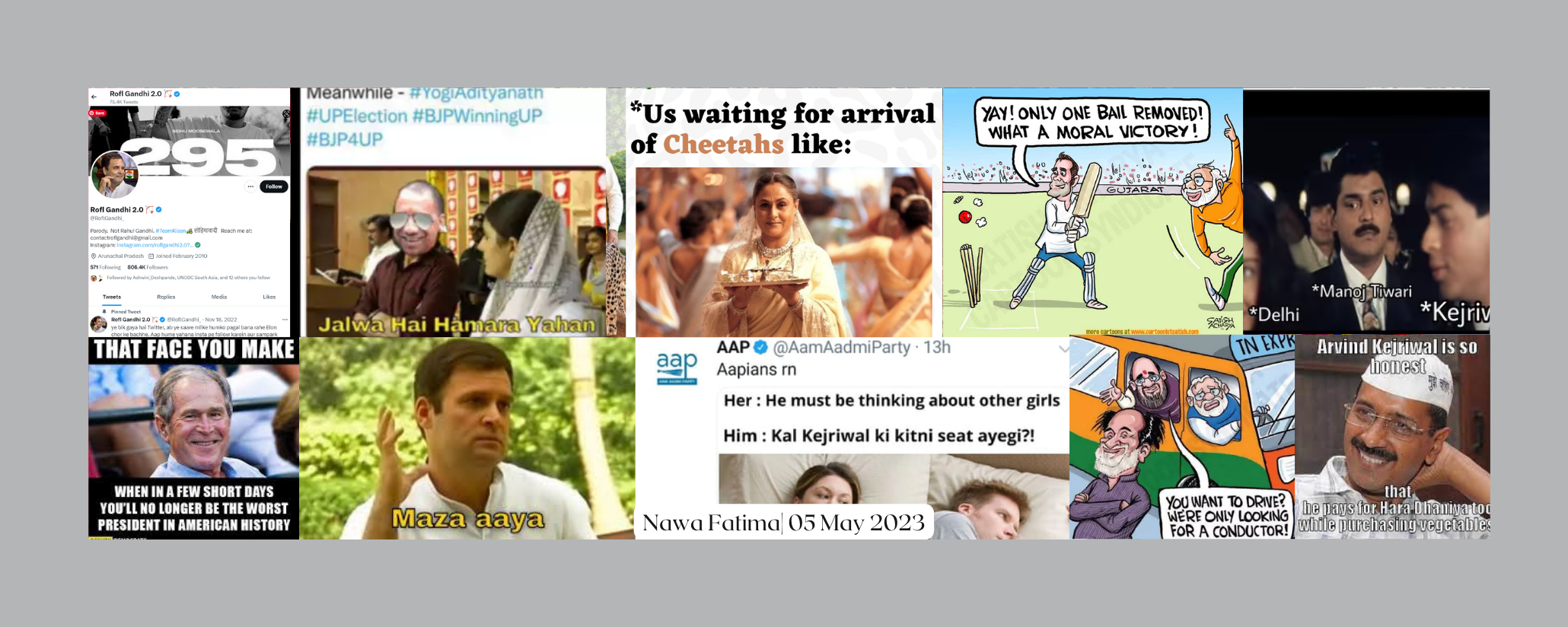
The Discourse Around the Emergence of Political Meme Culture in India
Digital culture and the development of digital platforms took new audience by storm. With the advent of social media, a new approach and diaspora of culture emerged and is continuing to do so. ‘Content’ was earlier created for consumption by the audience but with the rise of digital culture, consumers started participating in the creation of content. This was the birth of participatory digital culture- a new approach to content production where the audience was actively involved and tangled in content creation. In participatory culture, the user can be a producer, influencer and consumer of information (Han, 2011).
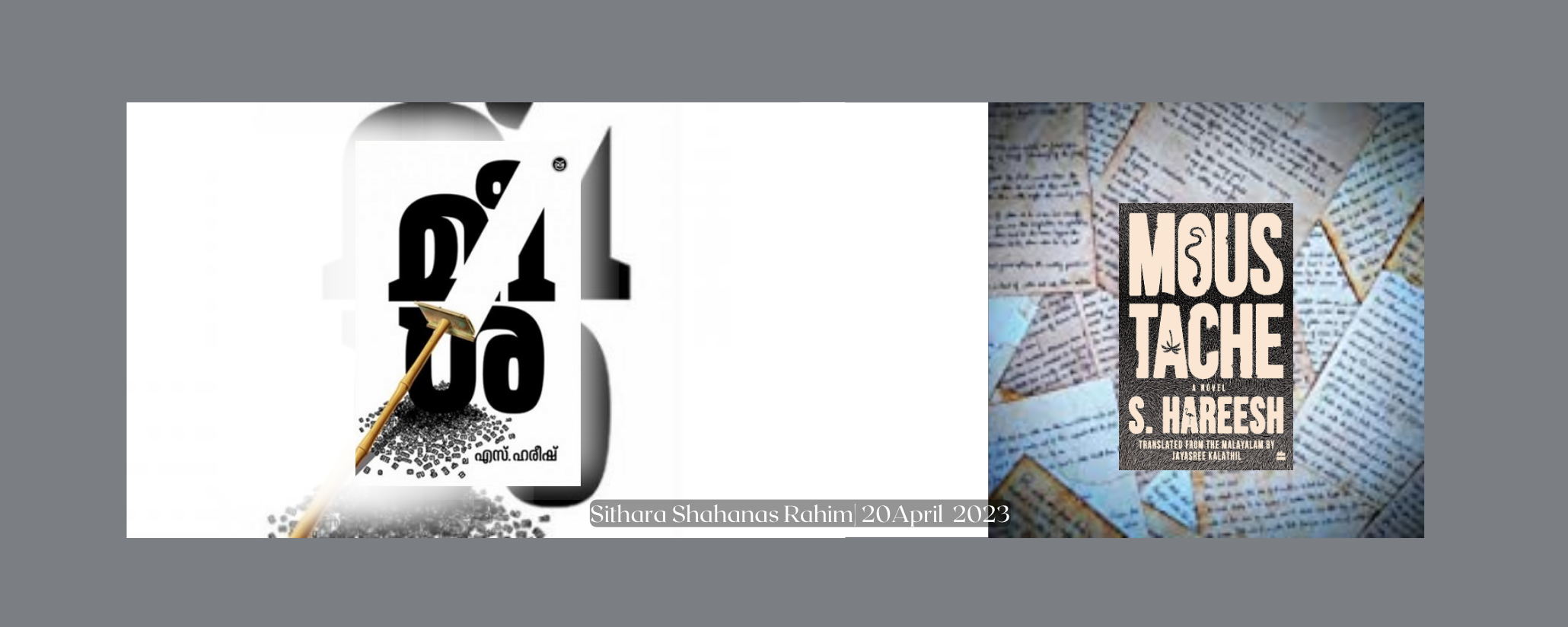
The Question of Centre and Periphery in Indian Novel with Special Reference to Meesa (Moustache)
Decentring the Centre-Periphery Concept
The postcolonial theory includes the study of unbalanced power relations, which emphatically produced the binary conception of centre and periphery, where the centre is often regarded as hegemonic and progressive, but by contrast, the periphery is assigned the negative qualities of barbarism, oppression, and exploitation. This unbalanced power hierarchy created geographical, cultural, and economic peripheries by limiting the power to the centre, thus creating a colonised space, or ‘Binarism’, which has a distinctive meaning in post-colonial studies that analyse the oppressive mentality of the coloniser that through imperialistic force, subjugated the native indigenous culture. The French linguist Ferdinand De Saussure used the concept of ‘Binarism’ in Structuralism to establish a Eurocentric perspective of defining a meaning to an object, not in reference to the real object but that of the opposite sign (ironically, assigning the quality of ‘dualism’ or ‘Binarism’ is absent in Asian or Middle Eastern languages, which were mostly colonies of European power, especially Great Britain). This idea of arbitrariness is employed in defining postcolonial countries that were colonised and oppressed with manipulated histories and cultures by the coloniser. This definition is evident in the power construction between the colonised and the coloniser that alienates the native identities and disintegrates them to establish superiority over the colonies by stating a monocentric perspective on language and culture, thus associating European and Anglo-European morals over natives (colonised).

CHANGING DIMENSIONS OF WOMEN EMPOWERMENT: GENDERED SPATIAL ARRANGEMENTS
There have been attempts to understand the existence of gender stratification historically and across cultures. The long-drawn struggle of feminists fighting for access to certain spaces has been predominantly regarding their participation and occupying public spaces. Why is it important to redefine the concept of public spaces? What is the need for safe public space, and why is it necessary to claim public spaces for women and, thus, for the feminist movement to succeed? Some of the major themes this article engages with are the inseparability of knowledge and spaces, the connection between space and gender stratification, and notions around women’s access to certain spaces and within supposedly correct timing brackets.
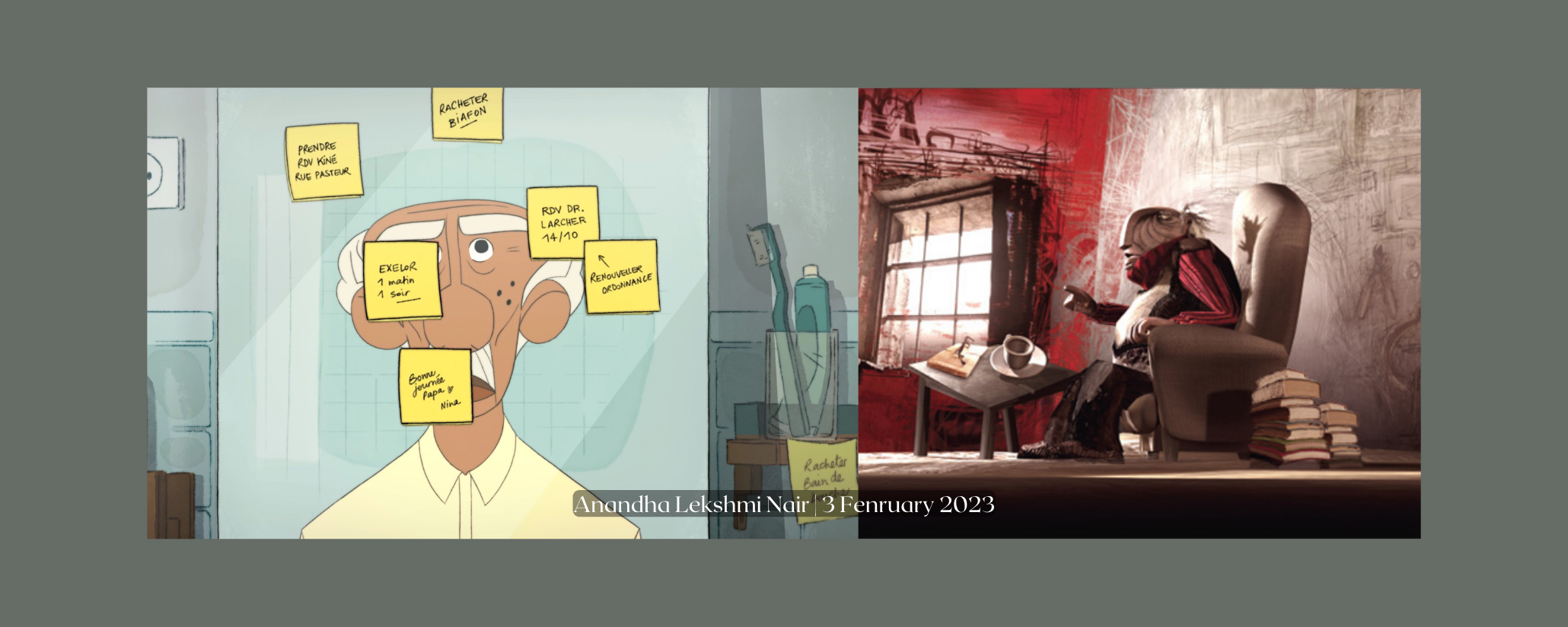
Depicting Dementia: Representation of Cognitive Health and Illness in Select Animated Short Films
Patients who have dementia are unable to remember events or happenings for more than a few moments at a time, resulting in them repeating their conversations, forgetting people’s faces, linguistic capabilities, etc. Unlike the popular notion, dementia affects the patient more than merely losing their immediate memory of things, events and people. At the onset, the patient may have difficulty navigating familiar environments like the supermarket or the park. Their attention span is also highly affected, with the patient zoning out of a conversation and merely staring into space mid-sentence.
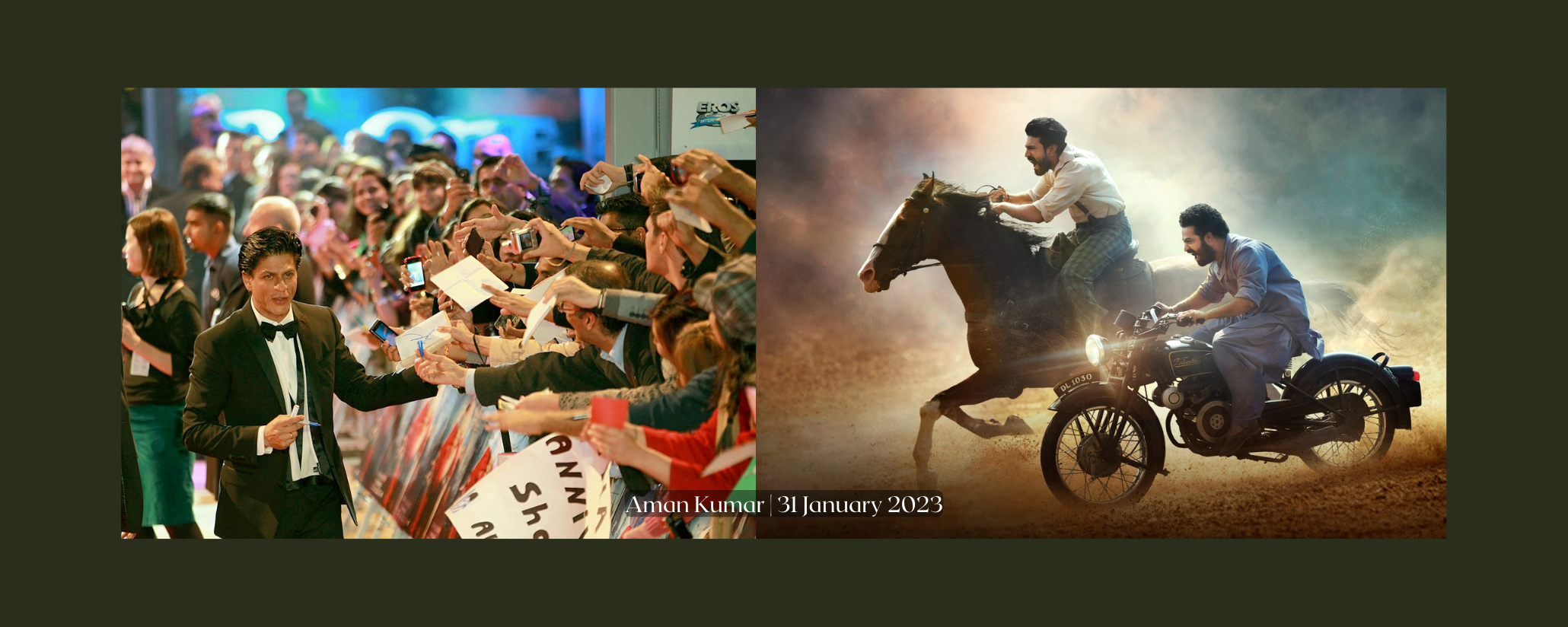
The Popularity of India’s Cinema and the Role of Soft Power
Joseph Nye defined the concept of ‘Soft Power’ as the ability to obtain a preferred outcome by attraction rather than coercion or force. Thus, if a country aims to influence the choices of another country in contemporary times, it must take the route of co-option and seduction rather than threats and inducements.
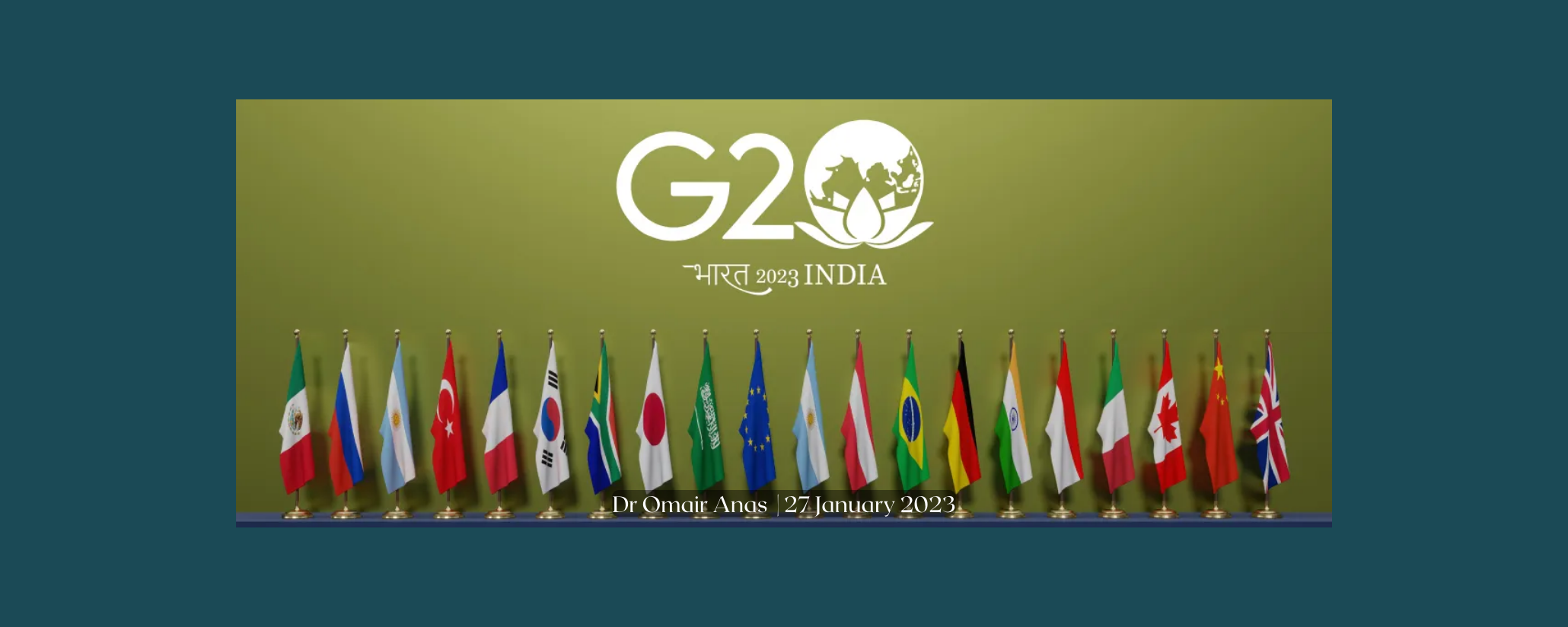
Opportunities and Challenges of India’s G-20 Presidency
As India has assumed the G-20 Presidency, the international political discourse and global agenda are going to see many new narratives – non-traditional issues, and of course, non-Western assertions.
India’s steady rise on the world stage is a better-late-than-never moment that many world powers, middle powers, and smaller nations expected and desired to happen, in the hope of a more balanced world order. Financially, India promises them a vast and demanding market; offers more non-prescriptive trade relations and investments to smaller nations; carries limited unilateral military and strategic ambitions, and gets along with both Western and non-Western blocs.
Special Report

Reviving India’s Laggard Universities
The London-based Quacquarelli Symonds (QS), which publishes its World University Rankings rating the world’s Top 1,000 universities, recently released its 2021 list. Only 21 Indian institutions are included in this authoritative, diligently compiled, and globally respected league table of the world’s most respected higher education institutions (HEIs), against 24 last year. Of them, only three features among the global Top 200 — Indian Institute of Technology-Bombay ranked #172, followed by the Indian Institute of Science (IISc), Bangalore (185) and IIT-Delhi (193). However, all three have lost rank compared to last year. The next respectably ranked Indian HEI is IIT-Madras at #275.