The Centre for Studies of Plural Societies (CSPS) hosted a discussion on Land Power: The Politics of Land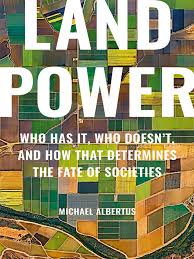
Reform, a landmark study by political scientist Michael Albertus, examines the enduring role of land ownership and redistribution in shaping power relations, state authority, and democracy across the world.
The discussion was chaired and led by Azeemah Saleem, who opened the session by situating Albertus’s work within broader debates on agrarian politics and state formation in the Global South. She emphasised that land reform is never a neutral economic policy but a deeply political process tied to the consolidation of state legitimacy, elite interests, and mass mobilisation.In her remarks, Azeemah Saleem highlighted how Albertus demonstrates that land reforms often emerge not from popular demand but from elite calculations of power. She drew parallels with the Indian context, noting how questions of land distribution intersect with caste hierarchies, electoral mobilisation, and regional political economies. The analysis, she argued, forces us to rethink the unfinished agenda of agrarian reform in India and its implications for contemporary democracy.
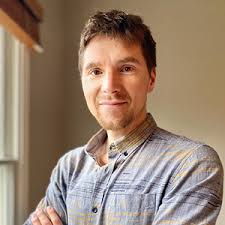
Participants in the audience engaged with her reflections, raising questions about the relationship between land reform and neoliberal market reforms, the ecological dimensions of agrarian restructuring, and the long-term effects of redistribution on social movements. The discussion also touched on comparative insights, particularly how Latin American cases studied by Albertus resonate with South Asian experiences of land reform and political control.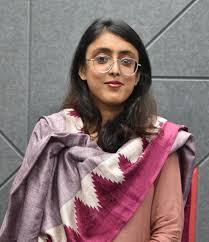
The event concluded with an appreciation of Land Power as a critical intervention in the study of land politics, democracy, and inequality. It reaffirmed CSPS’s commitment to engaging with agrarian questions as central to understanding both the historical foundations and future trajectories of political life in the Global South.