
Introduction
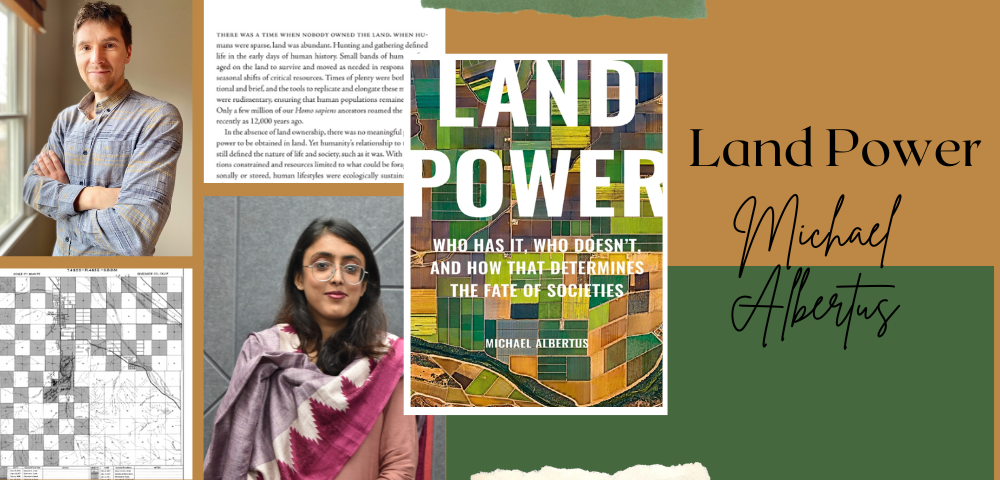
On 28 August 2025, the Centre for Studies of Plural Societies (CSPS) hosted a book discussion on Land Power: Who Has It, Who Doesn’t, and How That Determines the Fate of Societies by Dr. Michael Albertus, Professor of Political Science at the University of Chicago.
The session was part of CSPS’s ongoing effort to bring together scholars, practitioners, and the public to critically engage with pressing issues of democracy, governance, and social justice. Dr. Azeemah Saleem chaired the discussion, providing reflections and framing questions to situate the book’s arguments in comparative and Indian contexts.
About the Book
Dr. Albertus’s Land Power examines how land ownership and distribution remain fundamental to politics and society. Far from being a relic of the past, land continues to determine who holds economic power, who
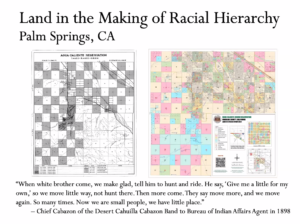
 enjoys political influence, and how inequality is reproduced across generations. The book combines historical case studies with contemporary examples from across the globe to show how access—or lack thereof—to land profoundly influences the fate of nations. The central argument of the book is that struggles over land are inseparable from struggles over democracy, governance, and inequality. Land, Albertus demonstrates, is not only a means of production but also a political resource that shapes institutions, social hierarchies, and state formation.
Highlights of the Discussion
1. Author’s Presentation
Dr. Albertus began by outlining the key themes of his book: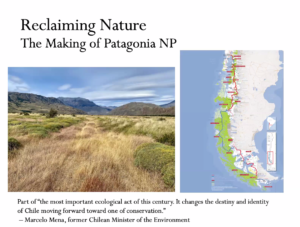
-
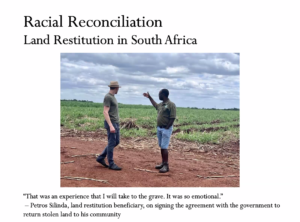
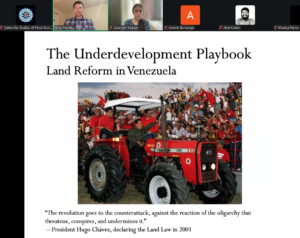
Historical role of land reform: He traced how land redistribution has influenced transitions from authoritarian to democratic regimes in Latin America, Asia, and Africa.
-
Persistence of inequality: Despite reforms, land distribution continues to be skewed, allowing elites to consolidate political and economic power.
-
Contemporary relevance: Even in urbanising societies, control over land remains critical for shaping access to resources, social mobility, and political
-
influence.
-
Global comparisons: He emphasised that while each country’s trajectory is unique, land consistently emerges as a central axis of inequality and power.
2. Chair’s Reflections (Dr. Azeemah Saleem)
 Dr. Saleem situated Albertus’s arguments within broader debates on comparative politics. She raised important questions on:
-
The relationship between land and democracy—does redistribution strengthen democratic institutions or simply create new forms of elite capture?
-
How the Indian experience of land reforms compares with Latin America, especially regarding caste and community as axes of inequality.
-
The ways in which contemporary urbanisation and land speculation reshape older agrarian struggles.
Her remarks provided a bridge for participants to think through the Indian context of land, dispossession, and inequality.
3. Audience Q&A
The Q&A session brought forward diverse perspectives:
-
Participants asked about the link between land politics and climate change, particularly how resource scarcity could intensify inequality.
-
Questions were raised on the role of land in authoritarian resilience, with examples from Asia and Africa.
-
Several attendees sought to connect the book’s insights with India’s history of land reforms, tenancy laws, and current debates on land acquisition.
Dr. Albertus responded by highlighting that while contexts differ, the patterns of elite domination through landholdings are strikingly similar across geographies. He stressed that addressing land inequality is essential to reducing political and economic exclusion.
Key Takeaways

Land as Power: Land ownership is not only economic but also profoundly political, shaping who controls institutions and whose voices are marginalised.
-
Global Patterns, Local Specificities: While land inequality is a global issue, its manifestations vary depending on local histories of caste, class, and colonialism.
-
Relevance Today: Even in the age of finance and technology, control over land continues to drive inequality and political contestation.
-
Comparative Insight: India’s experience of incomplete land reform resonates with other societies where redistributive promises were undermined by entrenched elites.

Conclusion
The discussion on Land Power underscored how questions of land and inequality remain central to understanding democracy and governance today. Dr. Albertus’s work provides an invaluable comparative lens to situate India’s own struggles with land reforms, dispossession, and redistribution within a global framework. The event reflected CSPS’s commitment to fostering plural, critical, and cross-disciplinary engagements with scholarship that speaks to contemporary social and political challenges.